 FreeFree
Description
Advanced Narrative Analytics: The "Shadow" of the Empire
- The Inversion of the "Royal Wedding" Trope: In classic literature, a marriage into royalty is the ultimate "happily ever after." Here, the author skillfully twists this into an "execution" trope. The arrival of the royal guards is not a celebration; it is a funeral march. The "gift" of the camels and horses is perceived as blood money, reinforcing the characters' (and the reader’s) belief that Arfa has been "sold" to her death.
- The Psychology of Fear: The description of the commoners breathing like "mice under the protection of cats" is a brilliant metaphor for totalitarian surveillance and psychological oppression. It explains why there is no uprising; when the threat is absolute and faceless (like the Shahan-shan), fear paralyzes the collective will.
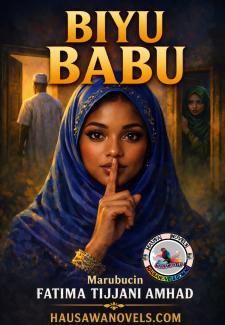
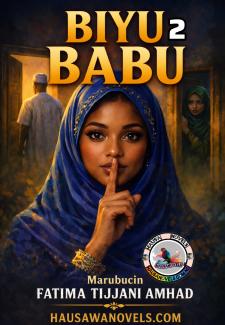
The Contrast of Vulnerability: The author emphasizes that the daughters—especially Arfa, Fariha, and Iffah—are "hidden" treasures. Their beauty is a liability. By forcing them to wear niqabs, the parents are essentially trying to "hide" them from a predatory empire. The tragedy is that their attempt to be invisible failed.
2. Character Deep Dive: The Father (Babiy/Mal. Zayyan)
- The Tragic Protector: Babiy is the most complex character in this section. He is a man of integrity, a farmer who provides for his family with honor. Yet, he is the one who ultimately "surrenders" his daughter to the Shahan-shan.
His Moral Dilemma: The text suggests he had no choice. His silence after the wedding and his insistence that his family remain silent in the face of the tragedy show a man who is broken by the weight of responsibility. He knows that any protest means the end of his entire family. His quietness is not acceptance; it is the silence of someone living in a nightmare from which he cannot wake up.
3. Stylistic Evolution: From Tragedy to Suspense
- The Shift in Pacing: The first part of the excerpt details the rapid death of previous wives—a "montage" of horror. The second part, however, focuses on the "three-month mark" of Arfa’s marriage. This shift in pacing indicates that the story is no longer about the king's past; it is about Arfa’s present.
The Atmosphere of Dread: The author uses the passage of time (the transition from months of silence to the festival) to build a "ticking clock" sensation. The Zayyan family is waiting for the inevitable phone call or messenger that brings news of Arfa’s death. The fact that the call never comes is a masterstroke of suspense—it creates a "cognitive dissonance" for the family and the reader.
4. Symbolic Elements
- The "Tulu" (Honey Jars): Babiy’s profession as a bee farmer is highly symbolic. Bees are industrious, collective, and loyal, but they also possess a stinger. Just as honey is a precious commodity produced in secret, so too is the Zayyan family’s life. The fact that the Shahan-shan specifically wants honey from Babiy suggests that the family was "on the radar" long before the marriage.
The Silence: The silence of the Zayyan household after Arfa is taken is "deafening." The author describes it as something that persists even in their sleep, marking the transition of the family from "people living in joy" to "people living in a state of suspended animation."
5. Foreshadowing the Role of Iffah (The Protagonist)
The excerpt ends with the family in despair, unable to eat, living off fruit. The mention of Iffah being the "auta" (last born) is significant. In Hausa narrative traditions, the auta often possesses a special destiny or a secret quality that allows them to succeed where their elders have failed.
Moving forward, we are left with a critical question:
Why has Arfa survived? Is it her resilience, a hidden secret of her bloodline, or is the Shahan-shan changing because of her?
How would you like to proceed?
- I can draft a theory on what might be special about Arfa (and by extension, her sister Iffah) that allows them to survive the "curse" of the Shahan-shan.
- We can look at the "Ruman" social hierarchy and discuss why the author might have placed the family in such a vulnerable position (as farmers who deal with the palace).
- I can analyze the specific literary tone of the author (Billyn Abdull) and how she uses Hausa cultural concepts (like kunya and biya) to elevate the drama.