 Free
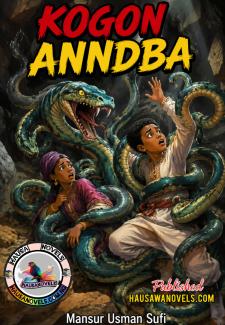
FreeKogon Annoba Book 1 Compelet Mansur Usman Sufi
Access is currently restricted.
FreeAccess is currently restricted.
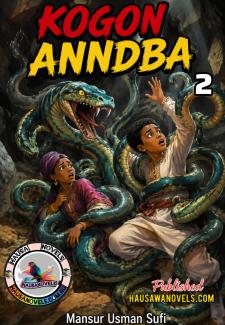
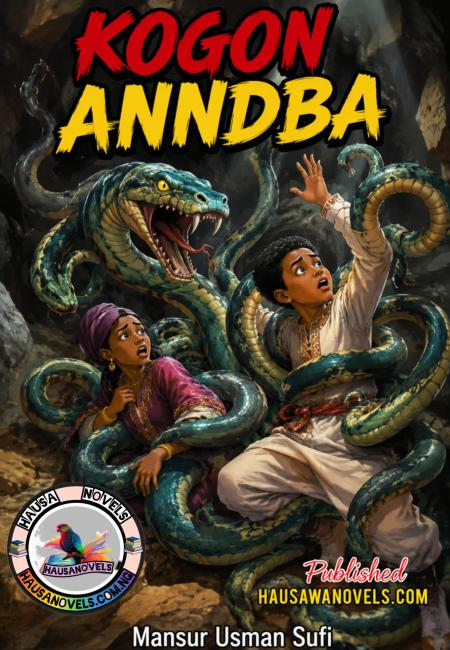
Kogon Annoba" (The Cave of Plague) by the renowned author Mansur Usman Sufi, also known as "Sarkin Marubutan Yaƙi" (The King of War Writers).
The story opens with two noble children—a boy and a girl—fleeing for their lives from an unseen, terrifying entity. They reach the city of King Siyamul-Amsar, causing panic as the mysterious pursuers enter the city gates. King Siyamul-Amsar, a wealthy and powerful ruler, is initially confused by the panic until a guard reports that the King’s own children (Prince Nazmar and his sister) have brought a great calamity upon the city. The King, in a fit of rage, kills the guard and orders his army to prepare for war. Guided by the sorcerer Boka Zirwal, the King marches his millions of soldiers out to confront the impending threat before it destroys the city.
The prologue also reveals the King’s tragic backstory: despite his vast wealth and power, he and his wife, Queen Nuzra, were childless for a long time. They eventually visited a sorcerer named Boka Zulwal, who prophesied that the Queen would give birth to twins (a boy and a girl), but that these children would be the very instruments of the King's death.
Pacing: The author uses a "cold open" (starting with a high-speed chase) to immediately hook the reader, followed by the King’s internal struggles, creating a balance between action-oriented storytelling and deep world-building.
Are you looking for the next part of this series, or would you like to compare the writing style of Mansur Usman Sufi with other Hausa war authors?