 FreeFree
Description
Expanded Narrative Summary
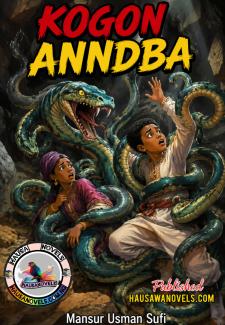
As the chaos in the village reaches a boiling point, the narrative tightens its focus on the psychological breaking point of the urban visitors. Humaid and Jalal, utterly defeated by a twelve-year-old girl who operates with the impunity of a mythical trickster, make a firm resolution to abandon the village altogether. Their humiliating experiences—ranging from public embarrassment and physical pain to relentless, targeted harassment—shatter their urban arrogance.
Meanwhile, unbothered by the adult conversations about their departure, Ladidi embraces her chaotic nature. In a brilliant display of rural folklore brought to life, she utilizes household items—white chalk, body pomade, kajal eyeliner, and tattered rags—to physically transform herself into the very "bush genie" the villagers whisper about in fear. Scaling the compound wall under the cover of night, she sets out to deliver one final, terrifying parting gift to the terrified city boys before they can make their escape, cementing her status as the undisputed, untouchable queen of village mischief.
Expanded Literary Description
This segment of the story serves as a masterclass in folkloric comedy and character-driven slapstick.
- The Trickster Archetype: Ladidi embodies the classic West African folklore figure of the trickster—small in stature, unbound by societal rules, intellectually agile, and overwhelmingly powerful through sheer unpredictability. She weaponizes her environment (grinding mills, palm oil vats, chigger bugs, and tree branches) to level the playing field against older boys and urban visitors who underestimate her.
- Clash of Cultures and Sensitivities: The juxtaposition between Humaid and Jalal (representing polished, urban privilege and fragile ego) and Ladidi (representing raw, unrefined rural survival instincts and chaotic freedom) generates continuous comedic friction. The city boys' reliance on material comfort and social status becomes completely useless against a girl who fights dirty and plays psychological warfare.
- Atmosphere of Superstition: The recurring rumors that Ladidi is "possessed by genies" (aljanu) add a layer of magical realism and folkloric charm to the narrative. Her deliberate decision to paint her face with white chalk and kajal to look like a spirit highlights how children in such tales weaponize local superstitions to amplify their terror-inducing reputation.
Comprehensive Literary Analytics
- Character Archetype Breakdown:
- Ladidi: The ultimate agent of chaos. Uninhibited, fearless, deeply creative in her pranks, and completely immune to adult scolding or threats. She operates outside conventional morality, driven purely by impulse and entertainment.
- Humaid: The quintessential pompous city boy whose ego makes him the primary target for karmic retribution. His inability to adapt to rural realities highlights his fragility.
- Yadikko: The exasperated caregiver who represents traditional patience, prayer, and resigned acceptance of a child who defies all conventional upbringing.
- Thematic Motifs:
- Disruption of Order: Every time the adult world attempts to establish structure (such as Malam Adamu hosting guests or Yadikko sending errands), Ladidi enters like a wrecking ball, dismantling dignity and hierarchy.
- Disguise and Transformation: The final scene where Ladidi paints her face symbolizes the blurring lines between reality and myth—she actively becomes the monster the villagers whisper about, using theatricality as a tool of dominance.
- Pacing and Comic Timing: The author uses rapid-fire sequences of escalating misfortune for Humaid (needle pricks -> tick infestations -> palm oil baths -> beatings with sticks -> impending midnight ghost terror) to build relentless comedic momentum. Each gag is structured with a setup, execution, and immediate disastrous payoff for the victims.