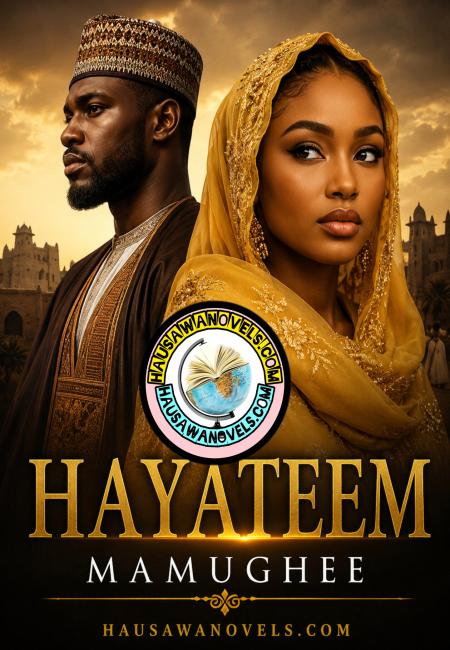
 FreeFree
Description
1. Summary of the Text
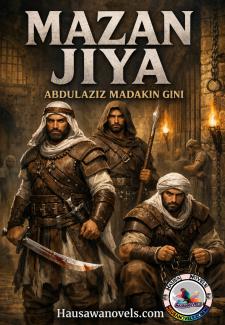
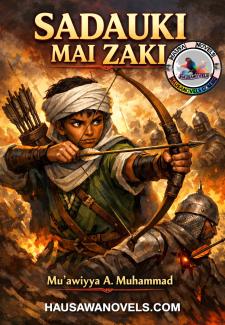
The narrative centers on two opposing forces: the peaceful, prosperous town of Anjom Ghaz and the ruthless, predatory Kusra organization.
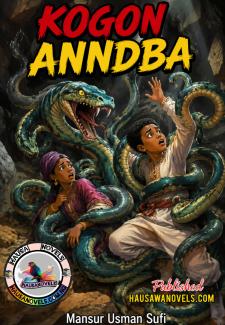
- Anjom Ghaz: An isolated, wealthy town surrounded by a dense, dangerous forest teeming with venomous snakes. It was founded by the ancestor Anjom and is currently ruled by the fierce and protective Ghaz Ali. The town enjoys security through a mystical defensive barrier tied to the bloodline of the Ghaz family. The citizens live in harmony, free from poverty, and share a deep, familial bond. Ghaz Ali is a devoted father to his four children: Ayanah (the disciplined heir), Nurat, Zuhrah, and the fragile, sensitive Abaas.
The Conflict: The Kusra, a syndicate specializing in human trafficking, accidentally discovers Anjom Ghaz after chasing victims into the forest. Their leader, Khams, is obsessed with conquering the town to capture its people as high-value slaves to sell to the legendary, powerful kingdom of Boyem. Khams believes that successfully selling slaves to Boyem will finally secure his own empire's status and fulfill his ancestors' unachieved dreams. The story builds toward a brutal confrontation as the Kusra establish a camp in the forest, seeking a way to breach the town’s mystical defenses.
2. Analytical Overview
- Themes:
- Protection vs. Exploitation: The stark contrast between Ghaz Ali’s desperate love and protection for his people/children versus Khams's dehumanization of others as commodities.
- Legacy and Ambition: Both leaders are driven by the shadows of their ancestors. Ghaz Ali is motivated by the survival of his lineage, while Khams is consumed by the ambition to elevate his dynasty through the slave trade.
- Isolationism: Anjom Ghaz functions as a utopia protected by isolation, which eventually becomes its greatest vulnerability when it is "discovered" by the outside world.
- Characterization:
- Ghaz Ali is depicted as a "Lion"—a strong, stoic, and sometimes ruthless protector.
- Abaas Ghaz serves as a point of pathos; his extreme sensitivity contrasts with the hyper-masculine, violent world of the Kusra and even his own father’s expectations.
Khams is the archetypal antagonist, characterized by cruelty, physical transformation (the dark, serpentine imagery), and calculated coldness.
3. English Translation/Description of Key Segments
The Setting: Anjom Ghaz
The town is described as a sanctuary. The forest surrounding it is not merely physical; it is a defensive barrier. The text notes that even the deadliest predators, like snakes, seem to be part of an ecosystem that keeps "uninvited" outsiders out. The town’s social fabric is built on equality, where there is no poverty, and the people view one another as kin rather than mere neighbors.
The Antagonist’s Motivation
The text emphasizes that the Kusra are not just common criminals; they are international traffickers who utilize massive, specialized ships. Khams, the leader, views the world through a lens of dominance. His desire for Anjom Ghaz is specifically linked to Boyem, which functions as the "ultimate market" or the pinnacle of prestige in this fictional world. For Khams, capturing the people of Anjom Ghaz is the key to his dynasty’s legitimacy.
The Philosophical Stance of the Ghaz Family
A pivotal moment in the text occurs when Ghaz Ali contemplates the fate of his children. He decides that he would rather see his children dead in front of him than allow them to be captured and sold into the humiliating life of slavery. This resolve is shared by the entire town, setting the stage for a "death before surrender" conflict.
4. Notable Literary Elements
- Symbolism: The "mystical barrier" represents the sanctity of the home and the fragility of peace. The "venomous snakes" represent the lethal consequences of encroaching upon a protected society.
- Pacing: The author uses a slow, descriptive buildup for the setting, followed by rapid, intense, and visceral action sequences when the Kusra are introduced.
Genre Markers: The text blends elements of Historical Fiction, Dark Fantasy, and Tragic Romance/Drama. The focus on "Best Male Character" and "Bravery" tags suggests a strong character-driven narrative focusing on heroism in the face of inevitable tragedy.
Note: The narrative uses the "Bismillah" at the beginning, a common traditional opening in Hausa literature, grounding the story in a cultural context that emphasizes faith, tradition, and the sanctity of life.