 Free
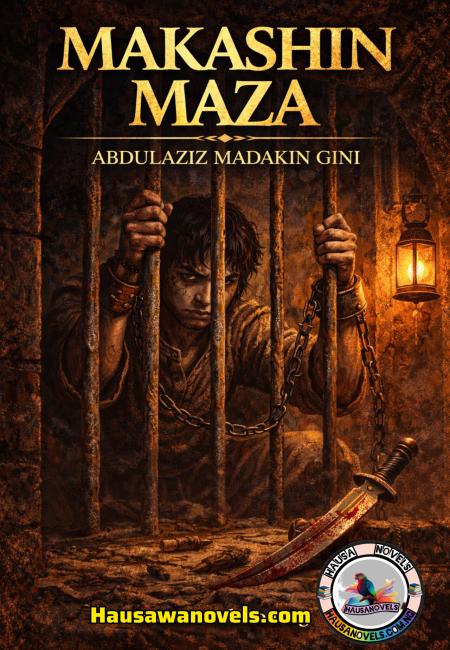
FreeMakashin Maza Book 1 Abdul'aziz Madakin Gini
Access is currently restricted.
FreeAccess is currently restricted.
Eight hundred years ago, a wealthy and pleasure-seeking King named Lamisu ruled the kingdom of Ban nur. Wanting a palace without equal in the world, he commissioned his master builders. During the construction, the workers accidentally tapped into a deep, thick, mysterious liquid beneath the earth that pulsed with movement. Terrified by the strange substance, they fled to King Lamisu and his sorcerer, Arjalu.
Arjalu magically sealed the substance into a container and, upon consulting his dark arts, delivered a grim prophecy: the liquid was not water, but a cursed ancient sorcerer named Marganu dan Jandanu, the grandson of Gundukurki. Marganu was a tyrant who had plagued the world centuries ago. Arjalu warned that he could only contain the entity for forty days; if Marganu escaped, the King’s throne—and indeed all worldly powers—would be destroyed.
King Lamisu, terrified of losing his power and dying, sought a solution. Through a series of consultations with his queen, Lamsiya, and her father, the legendary sorcerer Boka Zafaratu, they discovered that the only way to destroy Marganu was to acquire three impossible items: the tail hair of an Ifiritu (Djinn) trapped in a bottle at the bottom of the sea, the Staff of the First King of Djinn from the Sin Kingdom, and the fat of a gargantuan fish.
To obtain these, they required the services of the powerful Djinn Daskin. However, only the sorcerer Arjalu could command Daskin. When King Lamisu returned to Arjalu, the sorcerer demanded a steep price for his help: half of the King’s wealth, half of his kingdom, and the hand of his servant, Samali, in marriage. The text ends with King Lamisu’s despair as he contemplates these impossible demands.
The story follows King Lamisu, a ruler obsessed with his own legacy and comfort, who inadvertently unleashes an ancient, apocalyptic evil (Marganu) during a construction project. The narrative chronicles his desperate quest to find a way to destroy this entity. To do so, he must navigate the complex and dangerous world of sorcery, ultimately realizing that the price of his survival—and his throne—may be the loss of the very kingdom and assets he holds so dear.
The Catalyst (Marganu): The "ticking clock" element of the plot, creating urgency and tension.
This text belongs to the genre of Hausa "Littattafan Tatsuniyoyi" or "Littattafan Tsafi" (Fantasy/Supernatural Fiction). These stories are characterized by: