 FreeFree
Description
Summary of the Narrative Development
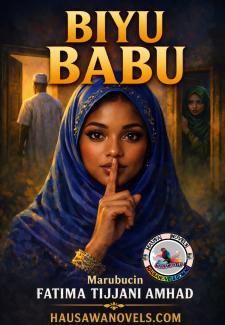
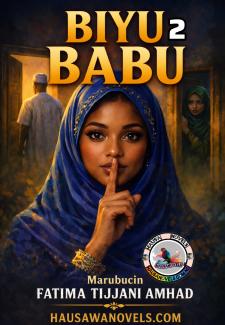
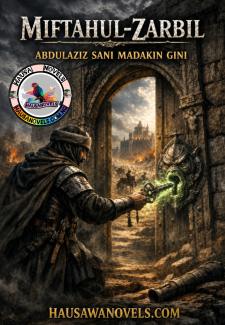
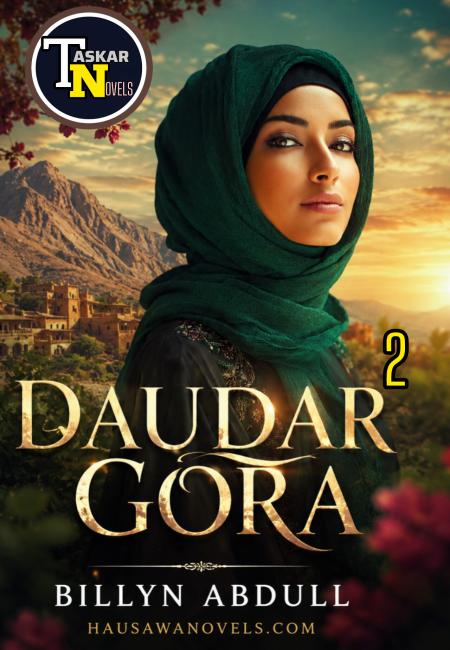
The story centers on the "Shahan-shan" (King of Kings), Tajwar Eshaan ibn Haysam Abdull-majeed, a ruler whose reign is marked by a dark, terrifying mystery: every woman he marries dies within a very short period. The kingdom lives in fear, with the common people behaving like mice under the watchful eyes of predatory cats.
The tragedy hits the family of Mal. Zayyan when the palace guards arrive at his home. Despite their humble status as farmers/shepherds, the royal decree is absolute. The palace demands one of his daughters, and Arfa is taken to be married to the Shahan-shan. Her family, including her father (Babiy), mother (Ummu), and siblings (Hanash, Fariha, and Iffah), are left in a state of inconsolable grief and anticipation of her death, which they expect given the fate of the previous wives.
As the days turn into months, the family lives in a state of suspended horror, awaiting news of Arfa’s demise. However, the mystery deepens when months pass and the "expected" tragedy doesn't follow the established pattern.
Analytics & Literary Description
- Genre: High-stakes Romantic/Family Drama with elements of Political/Dark Fantasy (The "Ruman" Empire setting).
- The "Shahan-shan" Archetype: Eshaan ibn Haysam is portrayed not as a person, but as an overwhelming force of nature. By keeping him veiled (glass-covered eyes, hidden face, inaccessible), the author creates a "Boogeyman" figure—a leader who is feared rather than loved. His power is absolute, extending even to the life and death of his subjects' children.
- Symbolism of the "Shidda" (The Six-Month Curse): The author uses the rapid turnover of wives to create a suffocating atmosphere of dread. The reader, like the characters, expects death to be inevitable, making the uncertainty of Arfa’s survival the primary engine of the plot.
- Familial Bond vs. Imperial Power: The contrast between the Zayyan family—who are portrayed as a "diamond in gold," a tight-knit unit of genuine love—and the cold, clinical, and predatory nature of the Daular Ruman is the central conflict. The empire consumes what is beautiful and loving, representing the corruption of power.
Tone: The narrative is heavy, melancholic, and suspenseful. The use of rhetorical questions and emotional exclamations (e.g., “A tunaninku yaya sautin fitar numfashin zai kasance?”) engages the reader directly in the trauma of the characters.
Themes of the Excerpt
- Inevitability of Fate (Ƙaddara): The family is helpless against the "scissors" of fate that cut their joy. The author emphasizes that wealth and status are nothing compared to the weight of imperial power.
- The Fragility of the "Little People": The characters are explicitly compared to "mice under the watch of cats," illustrating the power imbalance between the commoners and the absolute monarchy.
The Price of Secrecy and Power: The veil worn by the King and the necessity of the girls wearing niqabs to hide their beauty from the world's "cutting scissors" highlights a world where visibility is dangerous.
Structural Observations
- World Building: The description of the Ruman Empire—a wealthy African kingdom with a mix of traditional and colonial-era challenges—gives the story a unique cultural flavor. It feels like an alternate history or a mythic version of a Northern Nigerian/African kingdom.
- Foreshadowing: The fact that Arfa has not died after three months suggests a shift in the story. It implies that she might be the one to change the "Shahan-shan" or that she possesses something (a secret, a quality) that the previous wives lacked.
Would you like me to:
- Speculate on the "twist" regarding why Arfa hasn't died yet?
- Analyze the character of Iffah (the youngest sister), who is the protagonist of the story, based on the clues provided?
- Discuss the literary device of the "veiled king" and what it suggests about his future character arc?