 FreeFree
Description
Further Analytical Deep Dive: Hayateem
1. Stylistic Approach: The "Dark Epic"
Mamuhgee’s writing style in this excerpt shifts between two distinct tones:
- The Idyllic/Utopian Tone: When describing Anjom Ghaz, the language is rhythmic and warm. It emphasizes harmony, the lack of hunger, and the deep emotional bonds between family members. This creates a "sanctuary effect," making the reader feel the value of what is at stake.
The Visceral/Horror Tone: When describing the Kusra, the language becomes aggressive, sharp, and focused on physical sensation—pain, the taste of venom, the coldness of death, and the "dark, pitch-black" imagery of their leader’s physicality. This sharp contrast between "Light" (Anjom) and "Dark" (Kusra) is a classic hallmark of epic storytelling.
2. The Tragedy of Abaas Ghaz: A Subversion of Tropes
In many traditional Hausa narratives (and epic fiction in general), the focus is often on the "strongman." However, the inclusion of Abaas Ghaz is a sophisticated literary choice:
- Contrast: He represents "weakness" in a world that only values "strength." By making him the most loved and protected member of the family, the author suggests that the true strength of Anjom Ghaz isn't just their martial prowess, but their capacity for unconditional love and empathy.
The Burden of Legacy: Ayanah is groomed for leadership, but Abaas is the character who anchors the emotional stakes. If the Kusra invade, it is characters like Abaas—who cannot defend themselves—who become the primary source of the protagonist's agony.
3. The "Boyem" Factor: The Catalyst for Greed
The text introduces Boyem as a quasi-mythical destination. By doing this, the author gives the antagonist, Khams, a clear, albeit evil, motivation.
- Analysis: Khams is not just looking for money; he is looking for legitimacy. He believes that to be a "true" power in his world, he must be accepted by the "market" of Boyem.
Thematic Irony: The Kusra are willing to destroy a perfect, peaceful society (Anjom Ghaz) to buy their way into a "great" society (Boyem). This highlights a common moral theme in literature: The corruption of the seeker often leads to the destruction of the innocent.
4. Key Cultural & Narrative Nuances
- The "Kusra" Lamba (Brand): The text mentions that if the Kusra "place a number" (mark) on a town, its fate is sealed. This creates an atmosphere of fated tragedy. It implies that the town is not fighting against just any enemy, but against a "predestined" catastrophe.
The Ritualistic Nature of Evil: The description of Khams eating the heart of a creature and the "dark, pitch-black tongue" suggests that the Kusra have moved beyond mere human greed into something bordering on the supernatural or demonic. They are depicted as a force of nature—an unstoppable, encroaching shadow.
5. Summary of the Current Conflict
The excerpt leaves the reader at a point of high tension:
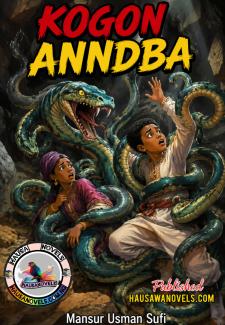
- The Siege: The Kusra have set up camp within the forest, having finally breached the outer defenses by learning from their previous deaths (the snakes).
- The Inevitable: The townspeople, led by Ghaz Ali, have reached a collective psychological decision: Death is better than capture.
- The Misunderstanding: The Kusra think they have found a simple, hidden village to plunder, not realizing they are walking into a trap set by a leader who is perfectly willing to burn his own world down to prevent his family from being enslaved.