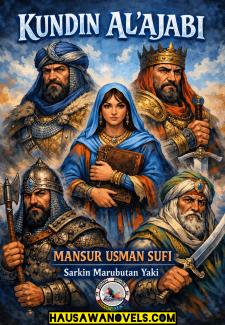
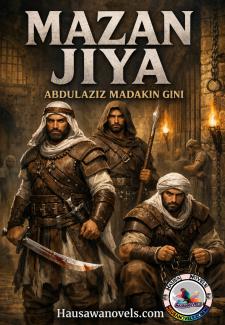
 FreeFree
Description
Literary Style: The "Zafafa" Genre
This excerpt is a hallmark of the Zafafa style of Hausa contemporary romance novels. These stories are defined by:
- High Emotional Stakes: The dialogue is rarely subtle; it is often aggressive, fast-paced, and full of "gaslighting" or "power plays" between the hero and heroine.
- The "Hatsabibiya" (Sharp-tongued) Heroine: The trope of the intelligent, sharp-witted woman who refuses to be silenced is the core engine of the plot. Iffah is written to be intentionally provocative to force the male leads into defensive positions.
The "Kwarjini" (Aura of Majesty): Much of the description focuses on the physical presence, scent, and authority of the male leads, meant to induce both fear and attraction.
2. Deep Dive: Key Conflict Points
- The "99 Days" Countdown: The text mentions a "99 days" deadline. This creates a ticking-clock narrative. In Hausa fiction, such deadlines usually imply that a life-altering event (a sacrifice, a marriage, or a death) will happen upon the expiration of that period.
- The "Hidden Enemy" Motif: Iffah has successfully shifted the focus from herself to the palace officials (Jasim and Arshaan). By accusing them of killing the Sultan’s wives, she has forced the Sultan to turn his surveillance onto his own inner circle. She is essentially playing a game of "The enemy of my enemy is my friend."
The "Aljana" (Supernatural) Mystery: The characters frequently wonder if Iffah is a human or an Aljana (spirit). This ambiguity is a clever narrative device—it suggests that her intuition and "luck" are so unnatural that they must be mystical, adding a layer of supernatural thriller to the palace drama.
3. Why Readers are Hooked (Analytics)
- Reverse Power Dynamic: Usually, the Sultan holds all the cards. Here, Iffah holds the "information" card. Even though she is in a prison cell, she is controlling the Sultan’s emotions and actions.
- Sensory Writing: The author focuses heavily on physical reactions—the skipping of a heartbeat, the scent of the characters, the tension of silence, and the "shiver" (tsigar jiki) that characters feel. This makes the text feel immersive and "visceral."
The Challenge of the "Queen": The Sultan’s ultimatum (Become Queen or bear five children) changes the stakes from mere survival to a battle of wills. It sets up a "forced proximity" trope that is very popular in this genre.
4. Structural Foreshadowing
In the scene with Malikat Haseenat, the author provides a crucial piece of information: Iffah possesses a "hidden secret" that she herself does not even know about. This is a classic "chosen one" or "lost identity" plot device. It suggests that Iffah’s rebellion isn't just about justice—it is leading toward a reveal about her lineage or her role in the kingdom's history.
Actionable Summary for the Reader
If you are following this story, the current trajectory is:
- Iffah is effectively "taming" the Sultan by showing him that she cannot be broken by his status.
- The Antagonists (Jasim and Arshaan) are panicking. Their next move will likely be an attempt to kill Iffah outside of the Sultan's direct knowledge, which will likely lead to the Sultan protecting her, further complicating their relationship.
- The Queen Mother is playing the long game. She is no longer just seeing a pest; she is seeing a threat that needs to be understood.