 Novel
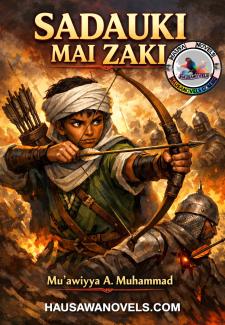
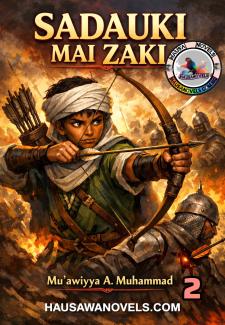
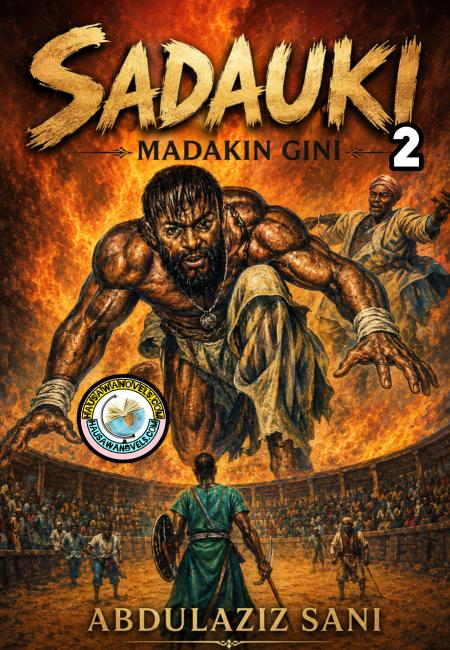
NovelSadauki Book 2 Complete Abdulaziz Madakin Gini
Please login or register to access this premium novel.
NovelPlease login or register to access this premium novel.
Note: Due to the length, this covers key narrative developments.
The Journey Continues:
After entering the cave, Imran and Kan’anu are tempted by the sight of vast treasures. Sadauki warns them against touching anything, sensing a trap. Greed gets the better of Kan’anu, who begins filling his bag with treasure. Suddenly, a giant scorpion emerges from the pile and strikes Kan’anu. He falls, cries out, and dies instantly. Sadauki, unmoved, tells the others to leave him behind, as they must press on.
The Tale of Mafisa:
During a break in their journey, Kan’anu’s replacement/companion, Kalkulu, tells the story of how King Jata (father of Mafisa) defeated Husubul Sabari. It is a tale of ancient gods, sacrifices, and battles. King Jata had been barren for 25 years until a sorcerer’s influence led to the birth of his daughter, Mafisa. The story details Jata’s rebellion against the idol Hubzatu, leading to a legendary duel with Husubul Sabari—a fight that ended with Jata’s victory through guile and swordplay, establishing his kingdom.
The Final Obstacle:
After exiting the cave, the group is carried by their creature-mount, Mubzarus, toward a mysterious mountain inhabited by the dragon-beast, Dodo Janwar. As they approach, the beast appears like a storm cloud and shatters their cage, sending them plummeting from the sky. Imran transforms into a raven and Sadauki into an eagle, landing safely on the dragon's hands. Luwaisa, having fainted, awakens on a rock and begins to follow the beast into a cavern, praying as she goes.
Sadauki Book 2 follows the protagonists as they navigate the treacherous path to the Kusuku cave. The group faces loss when Kan’anu is killed by a guardian scorpion while looting treasure. The narrative shifts into a flashback/legend told by Kalkulu, providing the origin story of Queen Mafisa and her father, King Jata, which adds depth to the conflict between the various supernatural factions. The book culminates in a high-stakes encounter with Dodo Janwar, a massive beast that destroys their transport, forcing the characters to use their magical transformations to survive.
Fantasy/Adventure (Hausa Literature): The work is deeply rooted in Northern Nigerian oral tradition, blending elements of magic, mythology, and heroic epic.
Spiritual Conflict: The recurring dialogue between Luwaisa’s monotheism and the others' reliance on "tsafi" (magic/sorcery) highlights the clash between faith and ancient power.
Characterization: The characters are traditional archetypes—the hero, the advisor, the doubter, and the righteous woman—serving to advance the plot's epic scope.
Sadauki Book 2 functions as a bridge between the initial quest and the final confrontation. It excels in expanding the Sadauki mythos through the inclusion of origin tales, which gives the world a sense of deep, bloody history. The imagery of the giant bird, the dragon-beast Dodo Janwar, and the cavern filled with blood provides a visceral reading experience characteristic of the "Arewa" fantasy genre.